


Garden edging for your outdoor spaces
Garden edgings and borders are essential for defining, demarcating and embellishing your outdoor spaces. They offer a multitude of solutions that are both aesthetically pleasing and practical for structuring and enhancing your garden, terrace, pathway or flowerbeds. Discover the different types of garden edging offered by Noblema, their function in landscaping, the different uses and how to lay a garden edging.
Discover our stone garden edging :
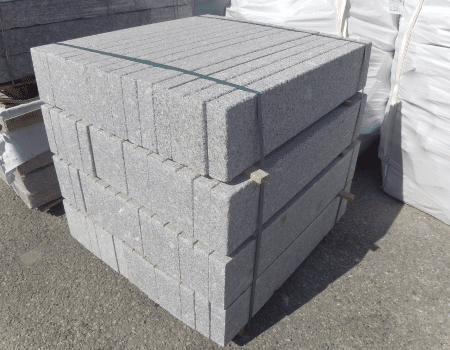
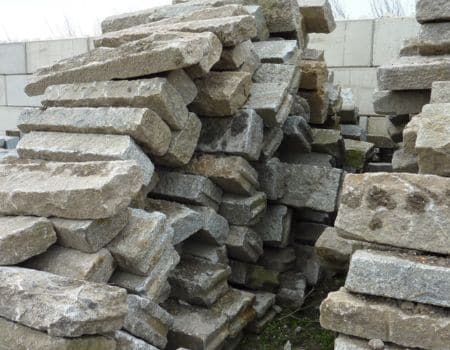

Garden edging for your outdoor landscaping
Garden borders are essential for defining, demarcating and embellishing your outdoor spaces. They offer a multitude of solutions that are both aesthetically pleasing and practical for structuring and enhancing your garden, terrace, pathway or flower bed. Discover the different types of garden edging offered by Noblema, their function in landscaping, the different uses and how to lay a garden edging.
Which edging should you choose for your garden?
Slate edging:
Slate edging offers natural elegance and aesthetic versatility for your garden design. Their texture and dark colour blend perfectly with a variety of garden designs and add a touch of modernity. You can also vary the height of your edging to add originality to your design. Their weather resistance and ease of installation make them a popular choice for all types of outdoor landscaping.
-

- Slate edging borders

-
- Natural stone borders

-
- Slate stone steps

Gneiss Alpine stone edging:
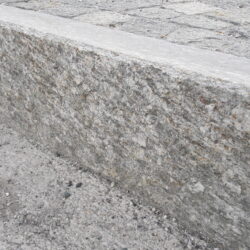
Alpine stone kerbs and borders offer a unique combination of durability and natural charm. The subtle shades of colour, from bluish grey to warmer hues, are derived from the minerals in the stone’s composition. Whether used to define flowerbeds, pathways or delicate borders along driveways, Alpine Stone borders bring a natural, authentic sophistication to any landscape.
-
- Bordure en pierre des Alpes

-
- Bordure en pierre des Alpes
Granite edging:
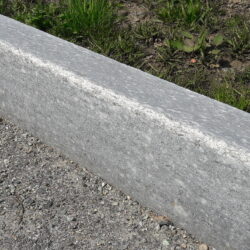
Granite is highly durable, making it an ideal choice for garden edging or pathway edging. Its resistance to wear and tear, ease of maintenance and availability in a range of colours and finishes make it a popular material for framing flowerbeds or edging pathways.
Garden edging with cobblestones and setts
Garden borders made from cobblestones are extremely hard-wearing. Their uniformity of size makes them easy to install, while their durability makes them a functional and aesthetic choice for separating different areas of the garden. The size of the cobblestones means they can be used to create rounded or curved borders around ponds, flower beds or trees.
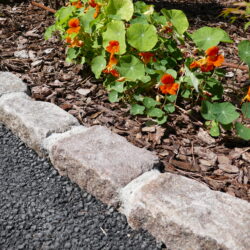
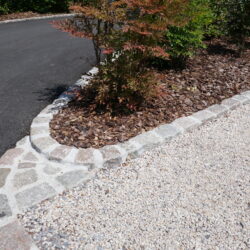
Borders made from old, reclaimed cobblestones add character and history to your garden. Their variety of shapes and colours and their natural patina create an authentic, rustic effect, perfect for adding character to your outdoor landscaping, for edging driveways, etc.
-
- Bordure en pavés anciens

-
- Edging paver cobbles
-
- Bordure de massif en pavés anciens
How to use garden edging?
Defining spaces: Garden borders define the boundaries between flowerbeds, lawns, paths and driveways, and can also be used to retain soil or gravel. You can vary the height of the borders according to the use you wish to make of them.
Protecting plants and flowers: They protect plants by demarcating planting areas, preventing invasive root growth or crushing from passing traffic.
Neat finishes: As well as their functionality, borders contribute to the overall aesthetics of the garden, offering clean lines and neat finishes.
Steps to follow when installing a border
The installation of garden edging can vary depending on the type and height of edging chosen. Here are the steps to follow to lay a border in your garden:
- Mark out the perimeter
- Dig a trench
- Prepare the sealant
- Apply the sealant to the trench and install the borders or kerbstones.
Find out more about installing kerbs.
Regular maintenance: Clean periodically to preserve the appearance and functionality of the edging.
By following these steps and taking care to plan and prepare the site properly, you’ll be able to install a border that not only demarcates your outdoor spaces, but also adds an aesthetic touch to your garden.
