


What Are the Different Colors of Granite and Where Can They Be Found?
The geographic origin of granite is closely tied to its color, with each region offering unique variations in hues depending on its geological characteristics and constituent minerals.
Common Colors of Granite:
Granite comes in a wide range of colors, each with its own beauty and distinct appeal. Here are the common colors of granite:
Gray Granite: Gray granite is one of the most popular colors. It ranges from light gray, almost white, to dark gray, almost black.
Black Granite: Black granite is known for its sophisticated and modern appearance. Variations range from absolute black without patterns to black with crystal patterns or light veining.
Pink Granite: Pink granite is appreciated for its warm and colorful tone. Shades can range from pale pink to more intense red hues.
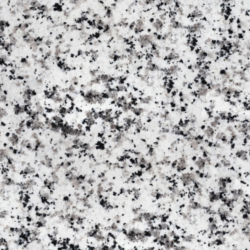
White Granite: White granite offers an elegant and bright appearance. It can be pure white or feature subtle patterns and veins with darker, more pronounced grains.
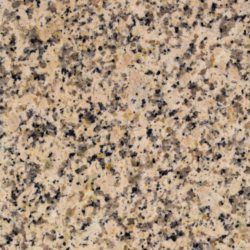
Yellow Granite: Yellow granite can offer vibrant shades ranging from light yellow to intense golden yellow. Brown granite varies from light brown to dark brown with finer or coarser veins and grains.
-

- Granit gris

-
- Granit rose

-
- Granit blanc
-
- Granit jaune
Geographic Origins of Different Granite Colors:
The different colors of granite come from various regions of the world. Here’s an overview of the geographic origins of the main granite colors:
Regions Producing Gray Granite:
Gray granite is quarried on all continents, notably in countries such as China, India, Brazil, the United States, as well as in many European countries, including Portugal, Italy, and Spain.
In France, gray granite is found in the Massif Central, particularly in the Sidobre Massif, the Pyrenees, and the Vosges.
Depending on the extraction site, granite can vary in color from light gray to darker gray with more or less pronounced grains and veins.

